Mission
Making a Difference (MAD) is a network project supporting the independent work of disabled, D/deaf and chronically ill artists in dance throughout Germany. We create high-quality production opportunities through residencies and co-productions and support the transfer of knowledge on accessible artistic practice through artist labs and workshops. In order to broaden and connect the network of disabled artists in different regions, we regularly make open calls for co-productions and residencies.
In collaboration with our partners, we aim to create accessible working conditions for freelance dance artists. We do this by reflecting and challenging ableist and audist structures, routines and practices in the production and presentation of dance. Based at Uferstudios Berlin, we work with a range of partners from the contemporary dance scene, both in Berlin and across Germany. With this model for cross-regional collaboration, MAD raises the visibility of disabled, Deaf and chronically ill artists and makes accessible touring possible.
The Aesthetics of Access is a key focus of the project. Rather than understanding access as a second step to artistic production, MAD supports the artistic integration of elements such as audio description, relaxed performance or sign language(s) as creative elements from the start. A central principle is that all artistic leadership and expert roles within the project are held by disabled, D/deaf and chronically ill artists. This approach not only enables sustainable access to artistic work, but also safeguards artistic knowledge of accessible production in the long term and embeds inclusive structures within the world of dance.
History
Initiated between 2018 and 2024, MAD was a Berlin-based network project funded as part of the TANZPAKT Stadt-Land-Bund initiative, with funding from the Federal Government Commissioner for Culture and the Media and the Berlin Senate Department for Culture and Social Cohesion. Hosted at the Sophiensaele, the project team consisting of Anna Mülter, Fia Neises and Johanna Withelm supported disabled knowledge exchange and artistic development in the Berlin scene.
From 2021 onwards, MAD was co-directed by Anne Rieger and Noa Winter, joined by Agnieszka Habraschka and Gina Jeske in production and PR. MAD has always worked in close communication with an artistic advisory board. Between 2018 and 2022, the board consisted of Claire Cunningham, Sindri Runudde and Kassandra Wedel.
In 2022, MAD adopted the Aesthetics of Access as a key thematic focus and brought the support of disabled-led artistic production into the foreground. This approach had a lasting impact on the network’s working methods and continues to form the basis of many of its principles and guidelines to this day.
With the end of the funding phase in 2024, responsibility for the project within the network passed from the Sophiensælen to Uferstudios. From March 2024 to January 2026, the project was funded by the Berlin Senate Department for Culture and Social Cohesion and led by Juli Reinartz, Leo Naomi Baur, and Diana Paiva. They were accompanied by an artistic advisory board consisting of Rita Mazza, Angela Alves, and Fia Neises.
Since March 2026, the Berlin network has expanded and partnerships have been established across Germany. As a result, Making a Difference has become a project working across six federal states to create inclusive working, production as well as touring structures for dance.
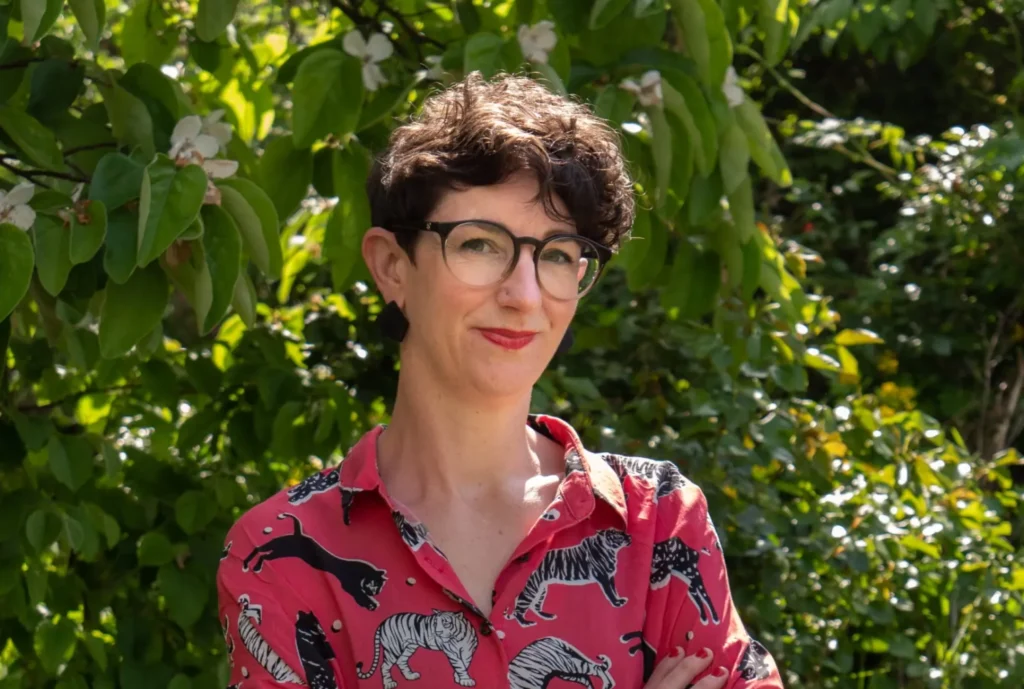
Making a Difference is currently led by Kate Brehme, Diana Paiva and Juli Reinartz. They are supported in outreach and accounting by Lea Maria Kneisel and Rachel Graham and accompanied by an artistic advisory board consisting of Rita Mazza, Leo Naomi Baur, Agnieszka Habraschka, and Naomi Sanfo-Ansorge. Artistic Advisory Board: Leo Naomi Baur, Rita Mazza, Naomi Sanfo-Ansorge, Agnieska Habraschka

- Email: mad@uferstudios.com
- Tel: +49 30 460 60 887

- Email: mad@uferstudios.com
- Tel: +49 30 460 60 887
- Email: mad@uferstudios.com
- Tel: +49 30 460 60 887
Network and Funding
Making a Difference is a network project by Uferstudios GmbH, Tanzfabrik Berlin, Sophiensaele, Junges Tanzhaus Berlin/TanzZeit, Tanzbüro Berlin, Hochschulübergreifendes Zentrum Tanz (HZT) Berlin, LAFT Berlin – Landesverband freie darstellende Künste Berlin e.V. / Performing Arts Program and FAIRSTAGE, HAU Hebbel am Ufer / Tanz im August, and Radialsystem. In collaboration with Kampnagel, tanzhaus nrw, Theater RAMPE, Festival Theaterformen / Real Dance Festival, and Hochschule für Künste im Sozialen, Ottersberg. Funded by TANZPAKT Stadt-Land-Bund with with the support of the German Federal Government Commissioner for Culture and the Media, and the Berlin Senate Department for Culture and Social Cohesion and the Center for Cultural Participation Baden-Würtemberg. The collaboration with Kampnagel Hamburg is funded by the Free and Hanseatic City of Hamburg, Ministry of Culture and Media.