
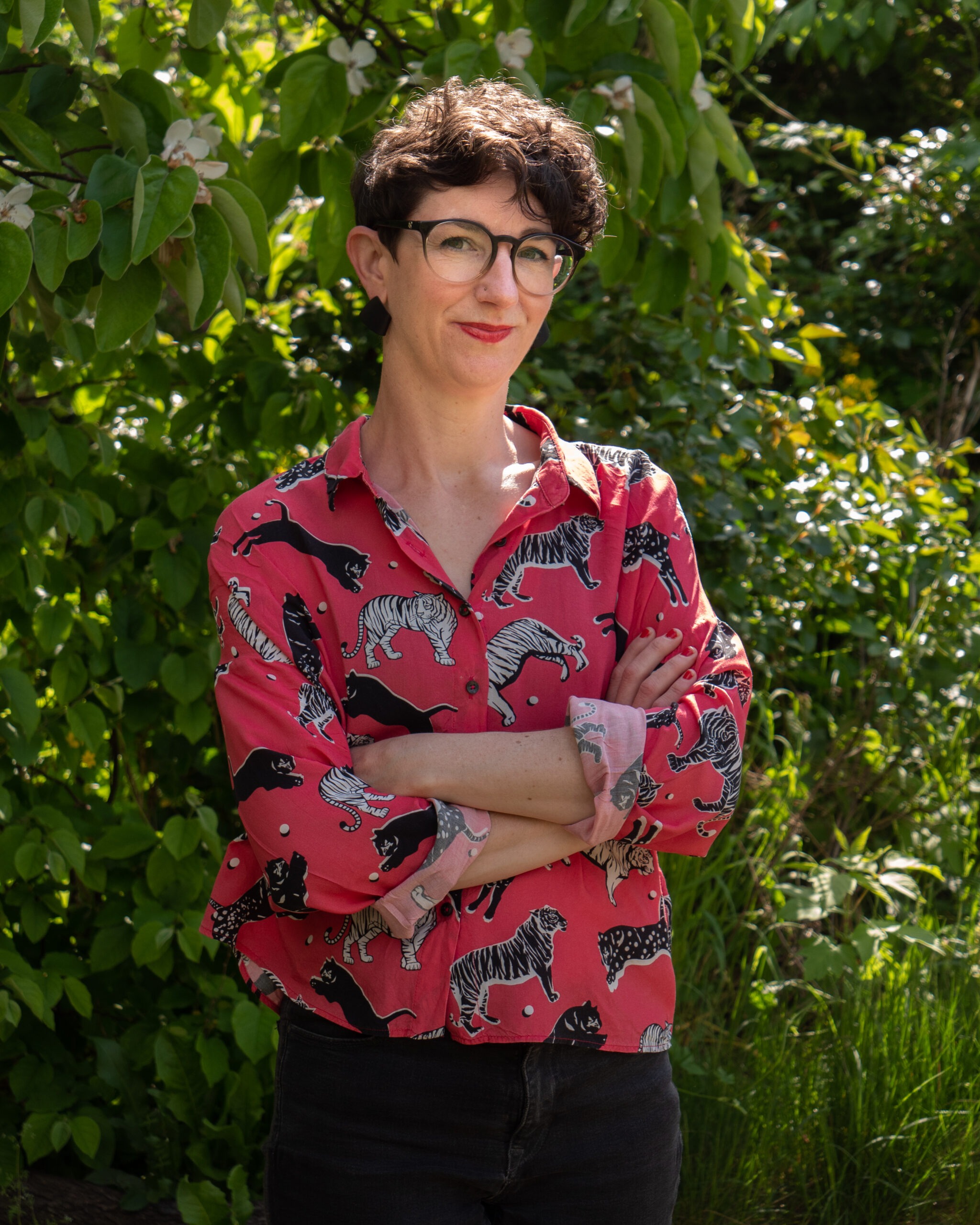
Dr. Kate Brehme (she/her) is strategic project management of Making a Difference since May 2026. Kate is a white, disabled/chronically ill curator, arts educator and access consultant working between the visual and performative arts. In 2017, Kate co-founded Berlinklusion, advising organisations such as KW Institute for Contemporary Art, Haus der Kulturen der Welt, Bauhaus Archive and Documenta, and initiating projects including UNBOUND, Germany’s first accessible transdisciplinary residency program, and the Disability Arts Meet Up event series. Kate has worked in Australia, Scotland and Germany on a variety of independent projects, exhibitions and events including Queering the Crip, Cripping the Queer (the Schwules Museum, 2022-23), and In Conversation: Jay Afrisando, (Galerie im Turm, 2025).
What does Making a Difference mean to you?
“Making a Difference for me means disabled-led systemic change of the German cultural sector, for the benefit of disabled, chronically ill and Deaf artists. It is a pioneering platform that, despite recent challenges such as political polarisation and shrinking resources, has continued to support some of the most marginalised arts workers in the country.”
What is your vision for Making a Difference?
“My vision for Making a Difference is to further develop and strengthen our existing partnerships with cultural organisations throughout Germany and thus secure a more sustainable future for disabled, chronically ill and Deaf artists within the German cultural landscape. Making a Difference provides a unique space here for the development of disabled-led or “crip” knowledge, both within our collaborations with institutions and within our community of artists. There is a real potential here to share this knowledge, invest in and celebrate the work of disabled, chronically ill and Deaf artists, and thus transform the cultural landscape locally and internationally. “